
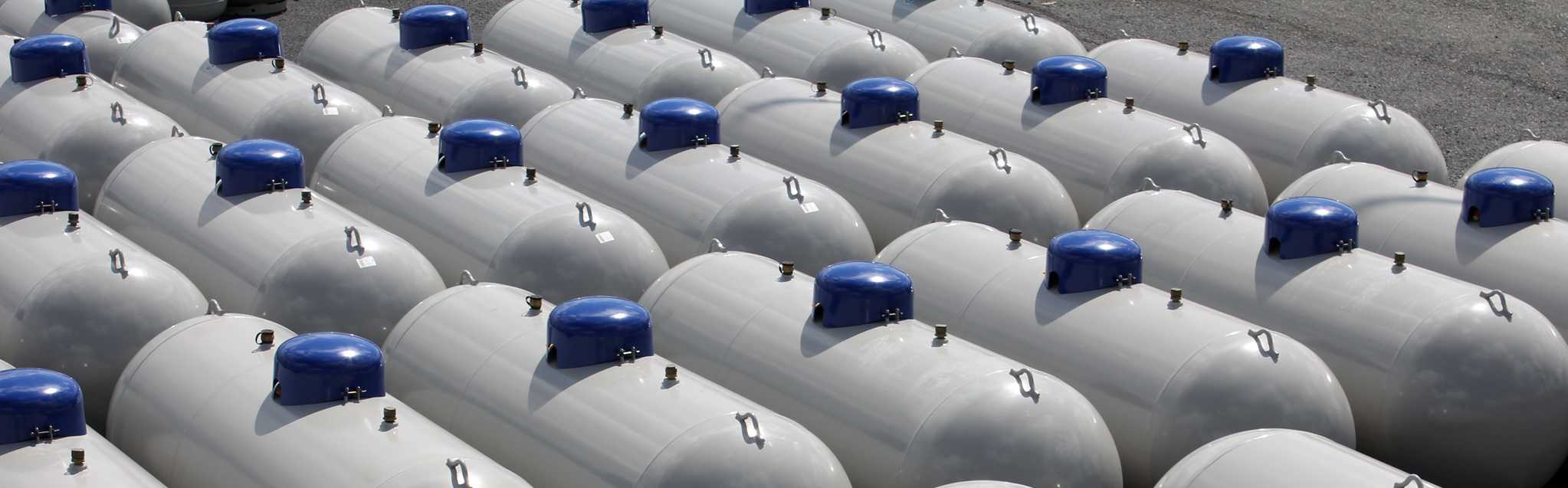
Choosing a propane tank is one of those decisions that feels minor until you get it wrong. Too small and you are calling for a delivery every few weeks through the winter. Too large and you have paid for capacity and yard space you never use.
Here is how to work out the right size for a Rio Grande Valley property.
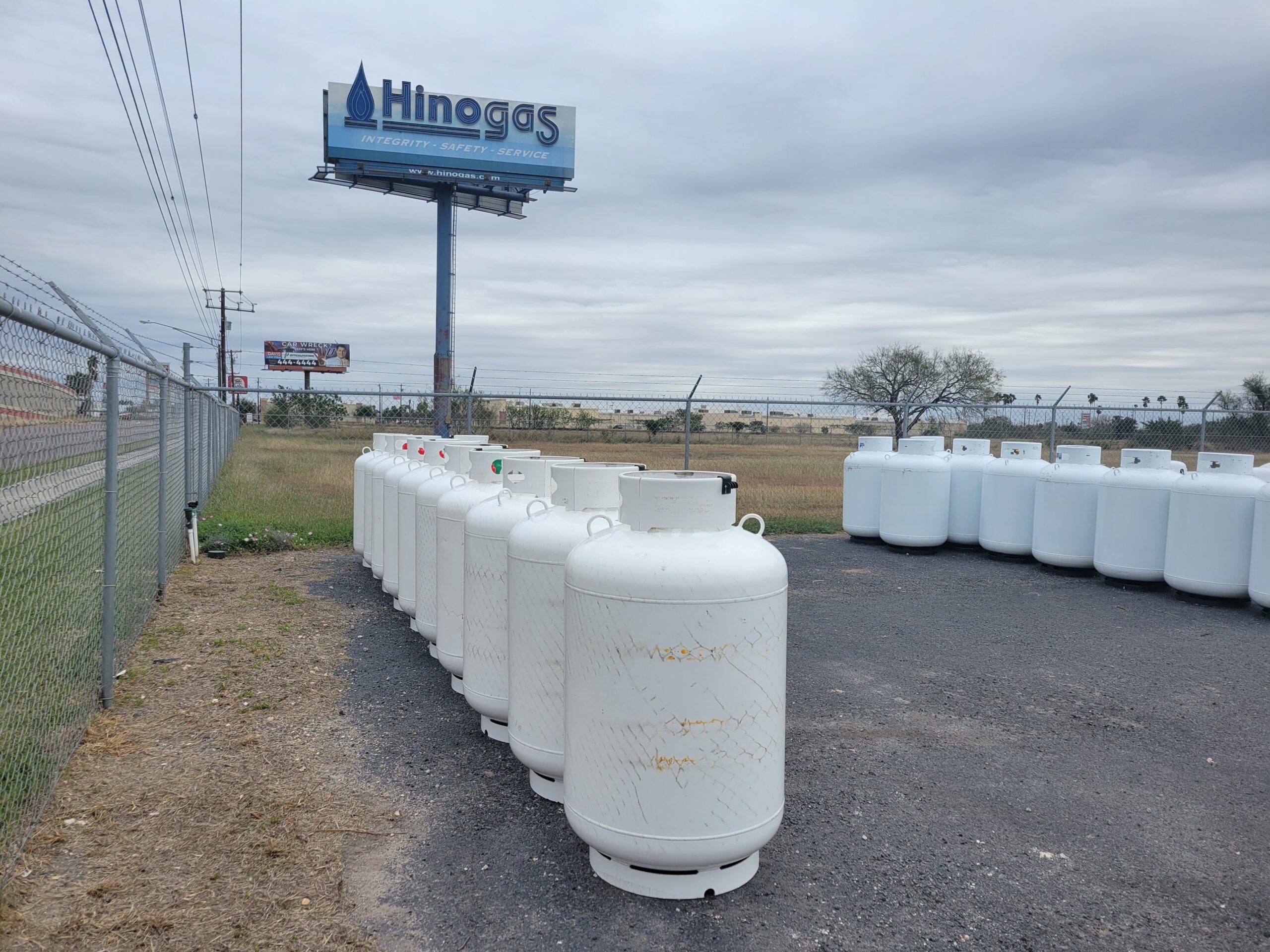
The common tank sizes and what each one is really for
20 lb cylinder (the grill bottle)
The one everybody recognises. Barbecue grills, patio heaters, small camping appliances. You do not install these — you swap or refill them, which you can do at our cylinder exchange and refill counter.
100 lb cylinder (roughly 23 gallons)
Suits one or two small appliances — a single space heater, a cooktop, a fireplace. Popular for mobile homes and RVs. Still portable enough to be swapped rather than filled on site.
120 gallon (often called a 420 lb)
The usual entry point for a permanently installed tank. A good fit for a home running one or two gas appliances, typically a water heater plus a range. Compact footprint, straightforward install.
250 gallon
The middle ground. Handles a water heater, range and dryer comfortably, with margin. A sensible choice for a mid-sized Valley home that wants fewer delivery visits without committing to a large tank.
500 gallon
The workhorse for whole-home propane. Water heater, range, dryer, pool heater, fireplace, standby generator — a 500 handles a full appliance load and gives you real buffer through a cold snap. This is also the size most commonly specified when a standby generator is part of the picture.
1,000 gallon and above
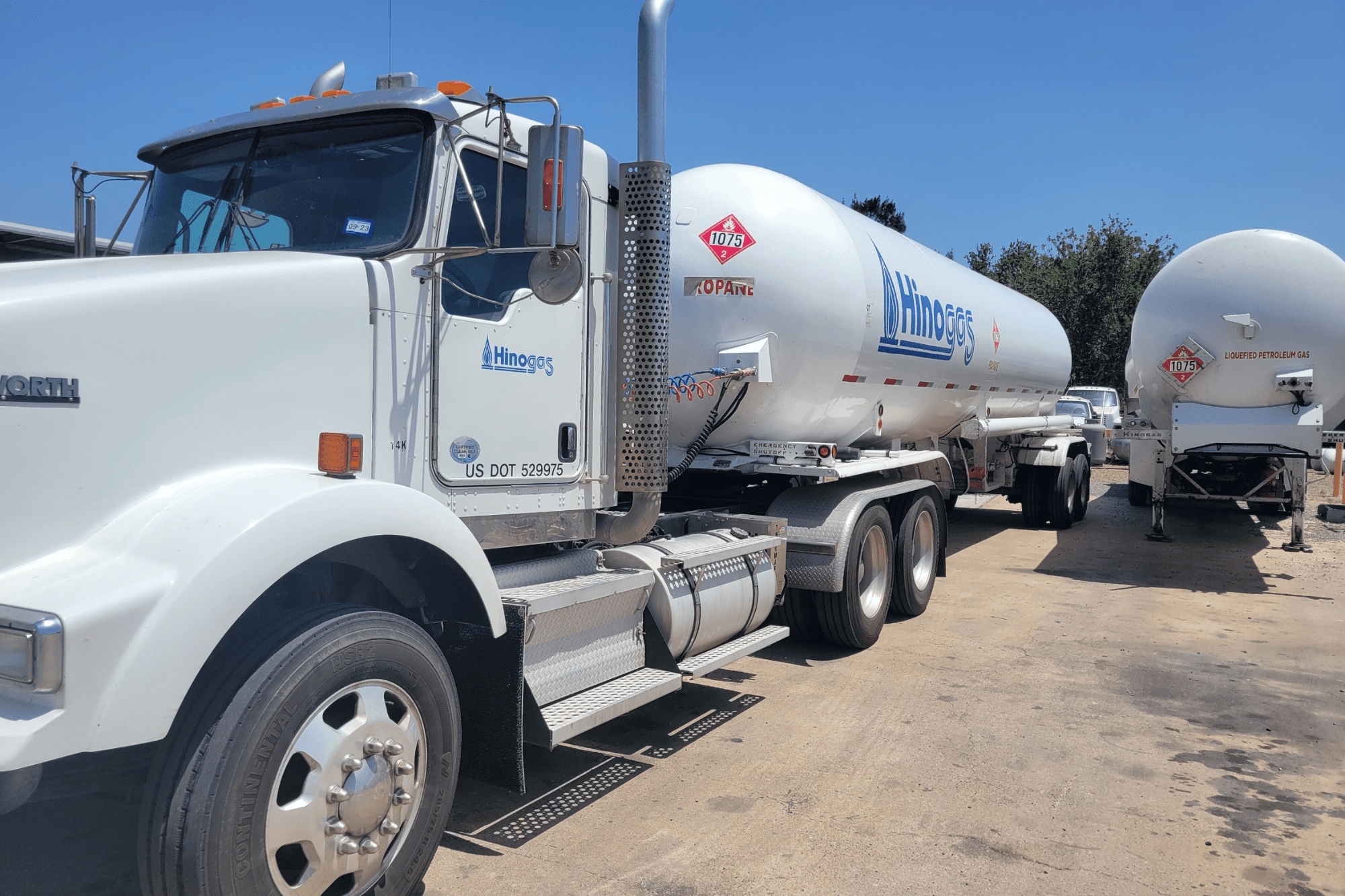
Large properties, ranches, agricultural operations and commercial sites. If you are heating multiple structures, running commercial kitchen equipment, drying crops or supplying forklift fleets, you are in this territory. See our commercial propane services.
The 80% rule — why your tank is never “full”
A propane tank is only ever filled to about 80% of its stated capacity. This is not a supplier shortchanging you; it is physics and safety code. Propane expands as it warms, and that remaining space — the vapour space — gives it somewhere to go.
So the usable numbers are:
- 120 gallon tank → roughly 96 gallons usable
- 250 gallon tank → roughly 200 gallons usable
- 500 gallon tank → roughly 400 gallons usable
- 1,000 gallon tank → roughly 800 gallons usable
Factor this in when you are estimating how long a fill will last you. It matters more than people expect on a summer fill, when tanks are deliberately filled a little lower to allow for heat expansion.
What actually drives your size decision
Which appliances you are running
This is the real driver. A water heater alone is a modest, steady load. Add a pool heater and you have changed the calculation entirely — pool heaters are among the hungriest propane appliances there are. Standby generators are similar: rarely used, but enormous consumption when they run.
Our climate works in your favour
This is where Valley homes differ from most propane sizing advice you will read online. Most of it is written for northern states where winter space heating dominates consumption. Down here, heating load is comparatively light and seasonal. That generally means a Valley home can be well served by a smaller tank than the same house in Amarillo.
The exception is a hard freeze. Demand across the whole region spikes at once, and that is precisely when having buffer capacity stops being theoretical.
How often you want a delivery
A larger tank is not only about capacity, it is about frequency. Fewer, larger deliveries are usually more convenient and let you take better advantage of fills. If your property is harder to access, this matters even more.
Worth knowing: we deliver on business days only — no Saturday or Sunday deliveries — so sizing with a little headroom keeps you comfortable over a weekend.
Space and setback rules
Tanks have required clearances from property lines, structures and ignition sources. On a compact lot, the available placement can put a practical ceiling on tank size. If that becomes the constraint, an underground tank is often the way to get the capacity you want without surrendering the yard.
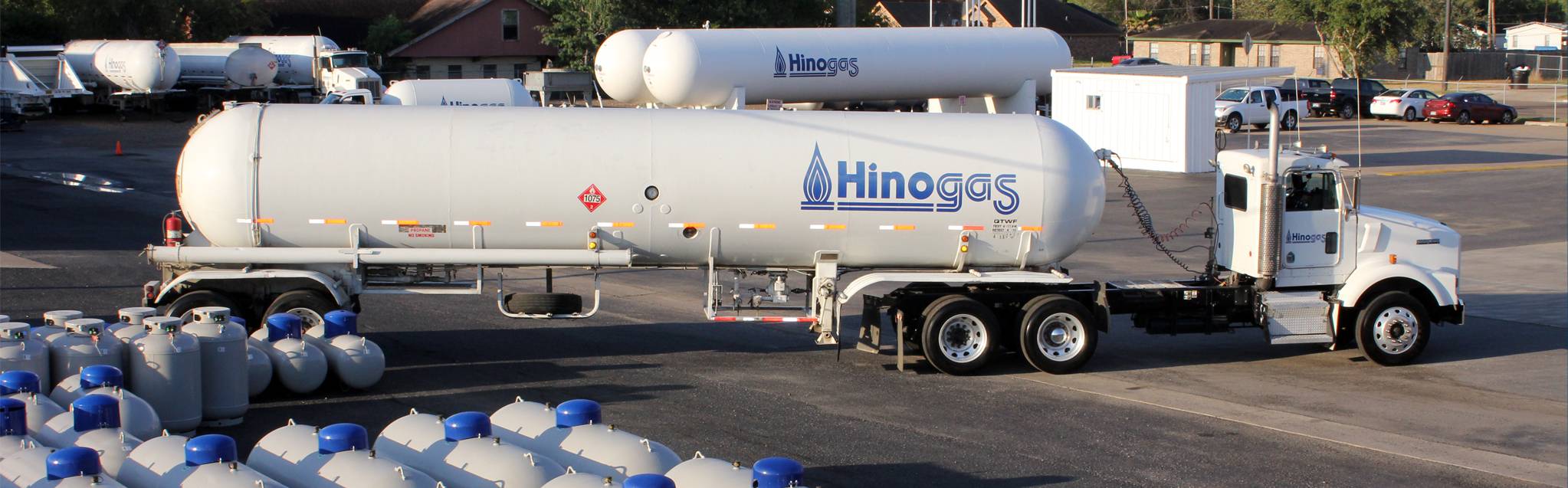
A simple way to decide
- One or two appliances, small home or mobile home — 120 gallon
- Standard family home, water heater, range and dryer — 250 gallon
- Whole-home propane, pool heater or standby generator — 500 gallon
- Ranch, farm or commercial site — 1,000 gallon or larger
Treat that as a starting point rather than a verdict. The appliance list is what decides it.
Not sure? Ask us — it costs nothing
Tell us what you are running and we will size it properly. We have been doing this across the Valley since 1963, and we would far rather size it right the first time than move you to a bigger tank in January.
Call Harlingen at (956) 423-9178 or Brownsville at (956) 546-7124. You can also browse propane tank sales or read about how our delivery works.